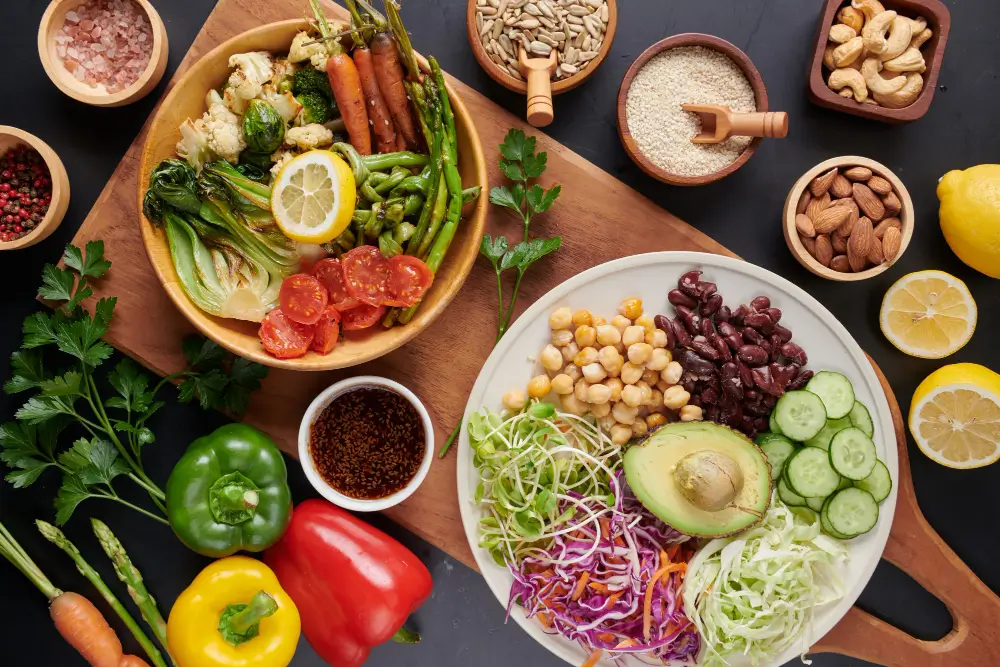
Nutrition and Hydration Tips for Home Care
Good nutrition and adequate hydration are important parts of comfortable and supportive home care. For elderly people and those recovering from illness or surgery, regular meals, nutritious food, and enough fluids can help support daily wellbeing and recovery.
Here are some practical nutrition and hydration tips for home care.
1. Encourage Regular, Balanced Meals
A consistent meal routine can make it easier to maintain good nutrition throughout the day.
Helpful practices include:
- Offer balanced meals with vegetables, fruits, grains, and suitable protein sources.
- Include foods that are appropriate for the person's dietary needs.
- Avoid skipping meals whenever possible.
- Serve smaller portions if large meals are difficult to manage.
- Keep mealtimes comfortable and relaxed.
2. Choose Nutrient-Rich Foods
When appetite is limited, choosing nutritious foods can help make each meal more beneficial.
Consider including:
- Fresh fruits and vegetables.
- Protein-rich foods such as eggs, pulses, fish, or other suitable options.
- Whole grains where appropriate.
- Milk, curd, or other suitable dairy products.
- Healthy snacks between meals when needed.
Dietary choices should be adapted to individual health conditions and professional dietary advice.
3. Encourage Regular Hydration
Older adults may not always notice or respond to thirst, so caregivers can help by offering fluids regularly throughout the day.
Simple ways to encourage hydration include:
- Offer water at regular intervals.
- Keep a glass or bottle of water within easy reach.
- Include suitable fluids such as milk, soups, or other recommended beverages.
- Offer additional fluids during hot weather or after physical activity when appropriate.
- Pay attention to changes that may indicate inadequate fluid intake.
If a person has been advised to restrict fluids because of a medical condition, follow their healthcare professional's recommendations.
4. Make Meals Easier and More Comfortable
Some people may have difficulty chewing, swallowing, or feeding themselves. Making appropriate adjustments can make mealtimes more comfortable.
Caregivers can:
- Prepare food according to the person's ability to chew and swallow.
- Cut food into manageable pieces when needed.
- Provide assistance with feeding when appropriate.
- Allow enough time to finish meals without rushing.
- Keep the person comfortably seated during meals.
Any swallowing difficulties should be discussed with an appropriate healthcare professional.
5. Monitor Eating and Drinking Habits
Keeping track of changes in eating and drinking habits can help caregivers notice potential concerns early.
It can be helpful to monitor:
- Changes in appetite.
- Reduced food or fluid intake.
- Difficulty eating or drinking.
- Unexplained changes in weight.
- Changes in energy levels.
- Any concerns reported by the person receiving care.
If there is a significant or persistent change in appetite, hydration, weight, or overall health, seek advice from a healthcare professional.
Conclusion
Nutrition and hydration are important parts of everyday home care. Simple routines such as offering balanced meals, providing fluids regularly, making food easier to eat, and observing changes in eating habits can help create a more supportive care environment.
Remember these key points:
- Encourage regular and balanced meals.
- Choose nutritious foods suited to individual needs.
- Offer suitable fluids regularly.
- Make mealtimes comfortable and safe.
- Monitor changes in eating and drinking habits.
Every person's nutritional and hydration needs are different. For specific dietary requirements, medical conditions, or fluid restrictions, follow advice from a qualified healthcare professional.